Why Wellness Matters
Understanding the biology behind your body's natural defense network, and the nutrients and habits researchers study in relation to it.
How the immune system actually works
Think of the last time you had a minor cut. Within hours, the area became warm and slightly swollen. That reaction wasn't random. It was your immune system executing a precisely coordinated response.
The immune system operates in two interconnected layers. The first, called the innate immune system, responds rapidly to anything it recognizes as foreign or damaging. It doesn't need to have encountered a threat before. It simply reacts to patterns it's wired to detect. The response is fast, broad, and temporary.
The second layer, the adaptive immune system, takes longer to engage. It learns. When it encounters a pathogen, it eventually creates a highly targeted response and, crucially, remembers it. Future encounters with the same threat trigger a faster, stronger reaction. This is the biological basis of immunological memory.
The cells involved include neutrophils, macrophages, natural killer cells, T cells, and B cells, each with distinct roles. Their coordination is what makes immune defense effective rather than chaotic.
White blood cells, or leukocytes, are the primary agents of both systems. They travel through blood and lymphatic fluid, patrolling tissues, recognizing threats, and signaling to each other through chemical messengers called cytokines. The lymphatic system, which includes lymph nodes, the spleen, and the thymus, is the infrastructure through which much of this activity is organized.
Inflammation is a key part of the process. It's often misunderstood as purely harmful, but acute inflammation is an essential component of immune defense. Chronic, low-grade inflammation is the concern researchers pay close attention to in the context of long-term wellness.
How seasons shape the immune environment
Autumn arrives and, almost predictably, people around you start sneezing. This isn't coincidence. Multiple factors converge in colder months that affect the conditions under which immune systems operate.
Temperature itself influences how certain airborne particles behave. Cold, dry air can affect the mucous membranes in the nose and throat, which function as physical barriers against incoming particles. When these barriers are less effective, the downstream immune system has more to manage.
Sunlight duration is another key variable. Shorter days mean less UVB exposure, which directly affects vitamin D synthesis in the skin. Research has associated vitamin D levels with various immune markers, making this a particularly relevant seasonal consideration.
Behavioral changes also play a role. People spend more time indoors in winter, often in closer proximity to others, in spaces with less ventilation. These environmental conditions have nothing to do with biology, but they affect the immune system's workload significantly.
Research also suggests that some immune parameters actually shift with the seasons at a biological level, independent of exposure patterns. The reasons for this are still being studied.
Understanding these seasonal patterns helps frame why conversations about immune wellness tend to intensify in autumn and winter. The conditions genuinely change. Knowing why they change is useful context for anyone trying to understand the wellness information available to them.
Vitamin C and cellular wellness
Vitamin C has been studied extensively since the 1930s. Its relationship to immune function has been a topic of research for decades, and the findings are more nuanced than popular culture often suggests.
As an antioxidant, vitamin C helps neutralize reactive oxygen species, unstable molecules that can damage cells when they accumulate. Immune cells, which are highly active and produce oxidative byproducts, appear to concentrate vitamin C at levels much higher than found in plasma.
Vitamin C also plays a role in collagen synthesis. Collagen is a structural protein found in skin and mucous membranes, both of which serve as physical barriers that the immune system depends on. The connection between vitamin C and these barriers is one of the reasons it appears in immune wellness research.
The body doesn't make vitamin C. It must come from diet. Citrus fruits, kiwis, bell peppers, strawberries, and broccoli are among the richest sources. Because it's water-soluble, excess amounts are excreted rather than stored, which is why regular dietary intake matters more than occasional large amounts.

Key Points
- Essential nutrient, not synthesized by the body
- Acts as an antioxidant in cellular environments
- Involved in collagen production
- Water-soluble, requires regular dietary intake
- Concentrated in active immune cells

Key Points
- Synthesized through UVB exposure on skin
- Fat-soluble, stored in body tissue
- Functions more like a hormone than a vitamin
- Receptors found in many immune cell types
- Dietary sources include fatty fish and fortified foods
Vitamin D: the sunshine nutrient
No other vitamin has a synthesis pathway quite like vitamin D. Expose enough skin to adequate UVB sunlight and the body produces it. This unusual characteristic makes vitamin D status directly tied to geography, season, and behavior in ways other nutrients aren't.
Structurally, vitamin D behaves more like a steroid hormone than a classic vitamin. It binds to receptors found in many tissue types throughout the body, including cells of the immune system. This widespread receptor distribution has made it a subject of considerable research interest.
In winter at northern latitudes, UVB radiation may be too weak for synthesis even on sunny days. People who spend most of their time indoors face this challenge year-round. Dietary sources, including fatty fish like salmon and mackerel, fortified dairy products, and egg yolks, can contribute to intake but rarely match what adequate sun exposure provides.
Research exploring the relationship between vitamin D levels and various immune markers is ongoing. The picture is complex and individual vitamin D status varies considerably. This is one reason healthcare providers sometimes test vitamin D levels when assessing overall wellness.
Zinc: the trace mineral with broad reach
Zinc's importance to the body far exceeds what its "trace mineral" status might suggest. It is required for the function of hundreds of enzymes and is involved in virtually every major cellular process.
In the context of immune function, zinc is particularly relevant because it participates in the development and activation of immune cells. T cells, which are central to adaptive immunity, depend on zinc for proper maturation. Zinc also plays a role in the signaling pathways through which immune cells communicate and coordinate responses.
Unlike some nutrients, zinc is not stored in significant quantities in the body. The body maintains a carefully regulated zinc balance, drawing on dietary intake to meet daily needs. When intake is insufficient, even mild deficiency can influence immune parameters in ways that research has documented.
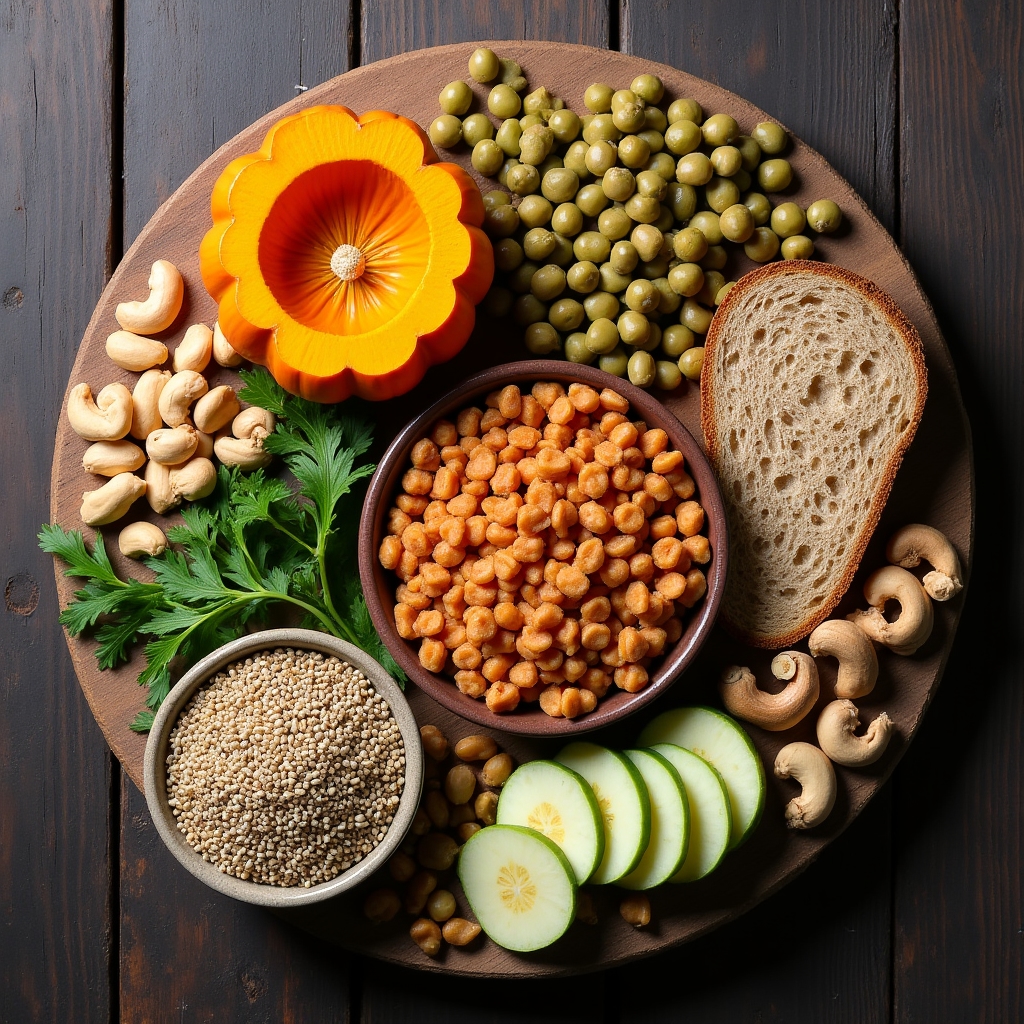
Animal-based foods like beef and shellfish are among the richest zinc sources. Plant-based sources including pumpkin seeds, hemp seeds, legumes, and whole grains contain zinc, but also contain compounds called phytates that can reduce absorption. Those following plant-based diets sometimes pay closer attention to zinc intake for this reason.
Key Points
- Required for hundreds of enzyme functions
- Involved in T cell development and activity
- Not stored significantly in the body
- Regular dietary intake needed
- Absorption varies by food source
Explore lifestyle factors next
The nutrients covered here don't operate in isolation. How you sleep, move, and manage daily stress are all part of the same picture. The lifestyle tips section explores what research observes about those connections.